
When people think about trust, they often think it's something you earn over months or even years. I don't think that's quite right.
In hospitality, trust is built in dozens of small moments every day. It's whether you do what you said you were going to do. Whether you listen. Whether you keep people informed. Whether your team believes you genuinely care about them.
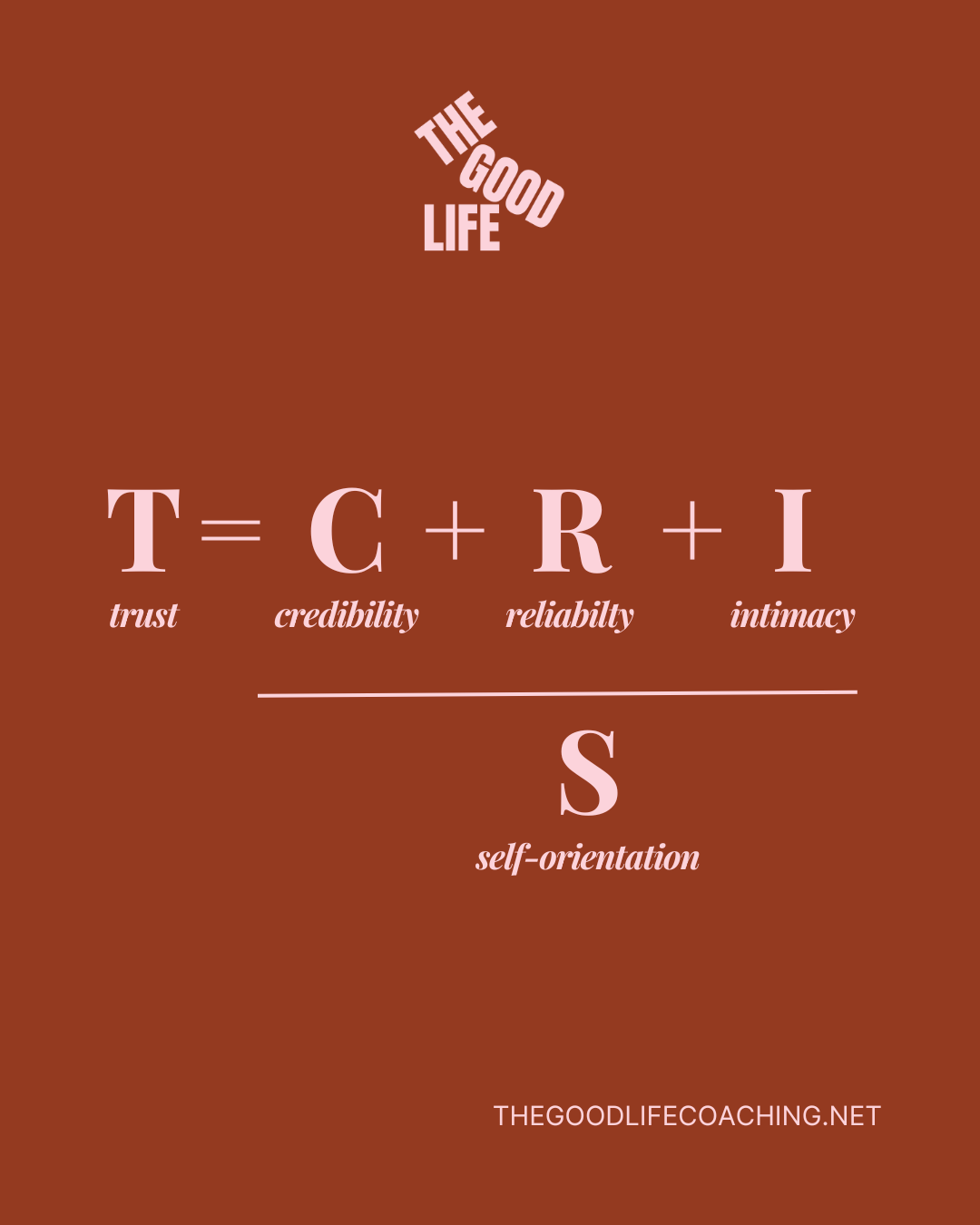
The Trust Equation puts it really simply. Trust grows when we're reliable, credible and able to build genuine relationships. But it starts to disappear when people feel we're more interested in ourselves than in them.
The first three are fairly easy to understand.
Reliability is keeping your word. If you tell someone you'll sort an issue with the rota, follow up after a difficult shift or look into a training opportunity, do it. If you can't, explain why. People don't expect perfection, but they do notice consistency.
Credibility is about knowing your job and communicating with confidence. You don't need to have every answer, but you do need to be honest about what you know and willing to find out what you don't.
Then there's intimacy. Not in the personal sense, but in the human sense. Hospitality leaders are often brilliant at this. They remember names, check in after a tough weekend, celebrate birthdays and notice when someone isn't themselves. Those small moments build relationships that make difficult conversations much easier when they come along.
The part of the equation I think is the easiest to overlook is self-orientation. People quickly pick up on whether your decisions are about making the team successful or making yourself look good. If every conversation comes back to your targets, your pressures or your priorities, trust starts to erode. The best leaders I've worked with don't make themselves the centre of every conversation. They make other people feel seen, heard and supported.
So here’s my request: the next time you're asking someone to take on a task, don't just explain what needs doing. Explain why it matters to them as well. How will it help them learn? Build confidence? Make their job easier? Give them experience? When people can see that you're thinking about their success, not just your own priorities, trust grows naturally.
