
The Courage To Be Disliked
If you’re not familiar with the idea of radical candour, it’s a simple but powerful framework from the book Radical Candor by Kim Scott. At heart, it asks us to have more honest conversations because we genuinely care about the people we lead.
Where the model becomes particularly useful for leaders is in explaining what holds us back from those conversations.
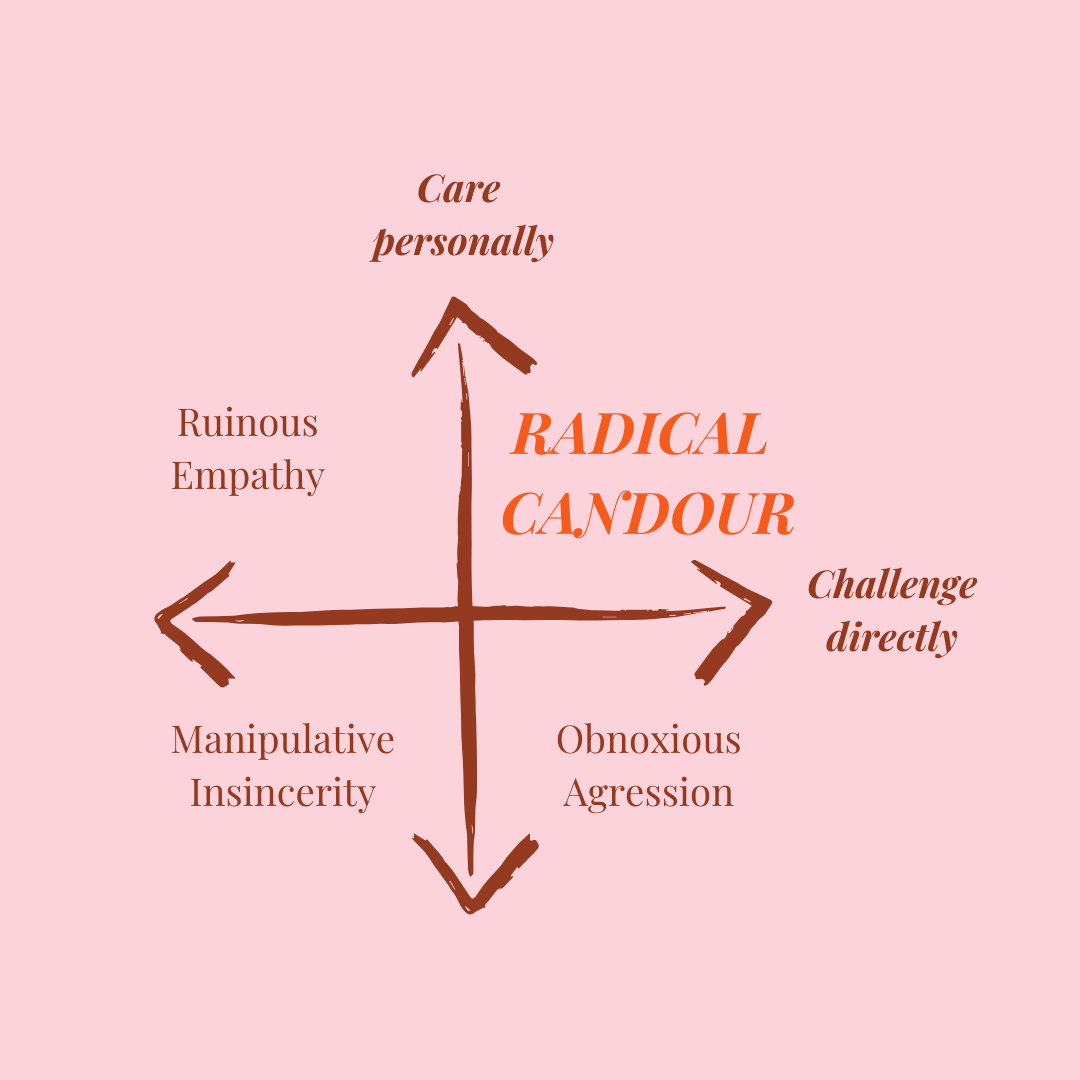
One quadrant is called ruinous empathy. That’s when we avoid difficult feedback because we don’t want to upset someone. We tell ourselves we’re being kind. But what actually hurts people is being left in the dark and finding out much later that others had noticed all along.
But there’s another quadrant that I see time and again with hospitality leaders. In the model it’s called manipulative insincerity. It’s not a very helpful phrase, really and sounds harsher than the reality. Most of the time what’s actually going on is something much simpler: a fear of being disliked.
If you lead people long enough, you’ll recognise this feeling.
You avoid addressing a team member who is dragging standards down.
You step in and fix problems yourself instead of holding someone accountable.
You praise publicly but keep the real concerns to yourself.
None of this comes from bad intent. It usually comes from wanting to be liked by the team.
Here’s the reframe I often offer leaders:
You are not here to be liked.
You are here to build people.
That doesn’t mean being blunt or harsh. Quite the opposite. When people know you care about their development, truly care, they can hear difficult truths far more easily. Because the message underneath is I’m telling you this because I want you to succeed. In fact, saying this at the start can really help.
In hospitality, where people learn on the job and grow quickly, this kind of honesty is invaluable. It helps people improve faster, build confidence, and take pride in their work. And paradoxically, it’s often what builds the strongest relationships in teams.
A Simple Tool: The 10-Second Check
Next time you’re about to avoid a conversation, pause and ask yourself one question:
“Am I protecting them - or protecting myself from being disliked?”
